
Some kids pick up reading easily, but others will struggle with reading even the simplest words. As a parent, it can be tough to see your child getting frustrated, losing interest in books, or avoiding reading. But it’s not about intelligence or effort; it’s all about how the children process the sounds, letters, and words, and sometimes they just need a small support in that area, and that’s where phonics class plays a major role.
Phonics is not just a teaching method; it’s the building block of reading. When phonics is taught in the correct way, it helps children to get to know the sense of words, build confidence, and enjoy learning at their own pace. In this blog, we’ll help you understand the early signs that your child may need phonics support and why enrolling in a phonics class at the right time makes all the difference.
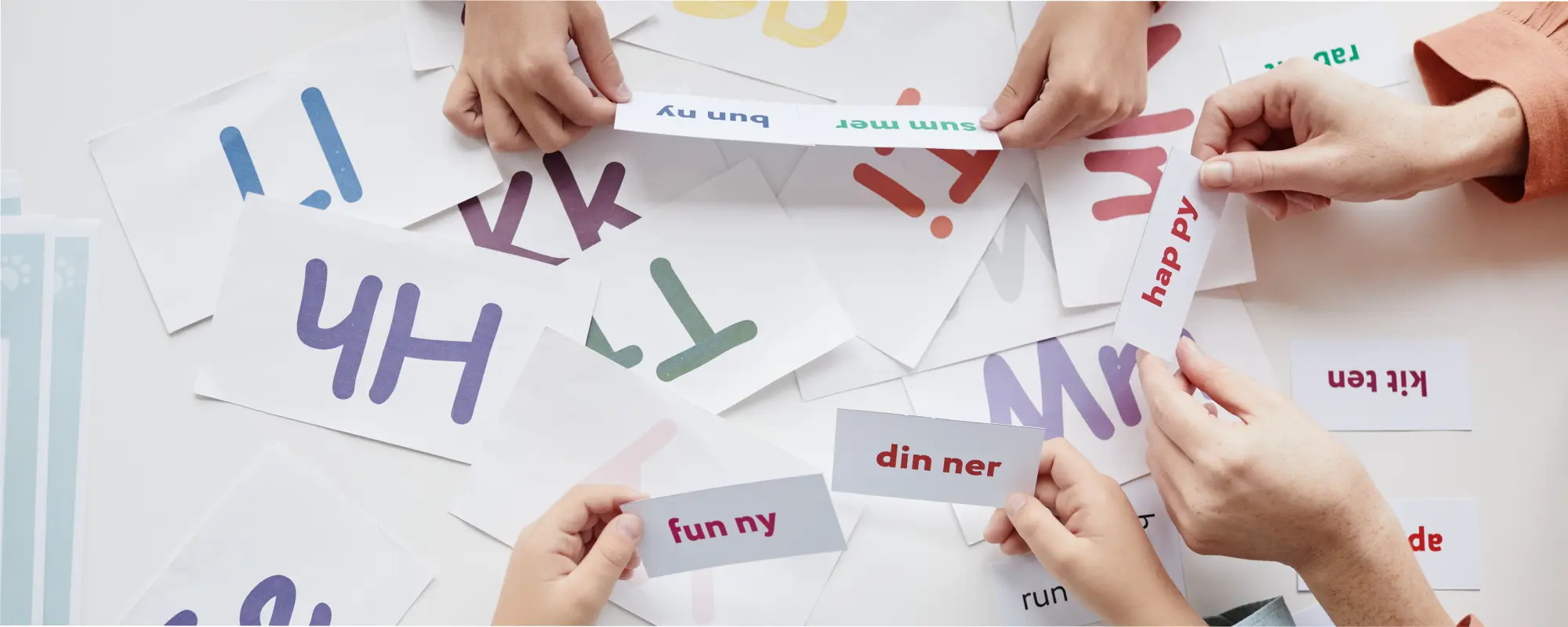
Phonics is a simple but powerful way to improve children's understanding of how letters and sounds work together to form words. It’s the method that is used to teach them how to “sound out” words like turning the letters c-a-t into “cat”. This might look basic, but it actually makes a big difference in the early stages of learning. With phonics, children will be able to recognise the sounds of letters, blend them to read words, or break words to spell them. It helps them to make a way to sense the jumble of letters they see in books or on worksheets. Without this foundation, reading can feel like guessing or memorising. But with phonics, children feel more confident, and it also helps them spell the words correctly, understand what they are reading, and grow their vocabulary. For many children, it feels tough, but for many, the process feels enjoyable to read the words. But how do you know if your child is missing these steps or silently struggling? That’s what we will be looking at next.
Sometimes, the signs that a child is struggling with reading aren’t loud; they are small things that slowly add up. Your child might guess words instead of sounding them out, hesitate over simple ones, or get upset when asked to read aloud. They may forget letter sounds they’ve already learnt, spell words exactly how they sound, like writing “sed” instead of “said", or skip over short words while reading. Some kids even avoid reading altogether, not because they’re lazy, but because it feels hard and confusing. These little struggles are often linked to gaps in phonics understanding. And while it can be hard to spot, noticing these signs early gives your child the best chance to catch up with confidence. In the next section, we’ll explore how phonics support can gently turn things around.
It’s easy to assume that reading will be easy for every child, especially when life gets busy and the signs seem small. But some struggles don’t just disappear with time; they grow. When a child keeps falling behind in phonics, it doesn’t just affect reading. It spills into other subjects, too, since reading is the basis for understanding almost everything in school. Over time, what started as a small challenge can lead to frustration, low confidence, and a quiet belief that they’re just “not good at learning.” Many children begin to avoid reading altogether or feel embarrassed when they can’t keep up with their classmates. That silent struggle can be emotionally heavy. The early years are a key window when the brain is most open to learning new skills, and stepping in at the right time can make all the difference. The good news is, with the right support, children can not only catch up but they can learn to enjoy reading again.
Phonics supports children by giving them the tools to understand how spoken sounds connect to written letters, helping them decode words, build fluency, and gain confidence in reading. The good news is that with the right kind of support, most children who struggle with reading can make real progress, and often, faster than you might expect. Phonics support isn’t about drilling or pressure; it’s about guiding children step by step through sounds, letters, and word patterns in a way that makes sense to them. It often includes fun activities, repetition, and games that turn learning into something they look forward to. Over time, it helps build the skills they may have missed, like blending sounds, recognizing common word parts, or breaking down tricky spellings. As they start to decode words more easily, reading feels less like a chore and more like a skill they can manage. Beyond better reading and spelling, one of the biggest changes comes in how they feel. With each small win, their confidence grows, and that sense of “I can do this” slowly returns. And while phonics classes provide focused support, there are also simple things parents can do at home to keep that momentum going—let’s explore those next.
Trying to teach and support your child at home is a wonderful first step, and many parents start there. But if your child is still struggling even after regular reading practice and sound games, it might be time to get extra help from a professional. Signs like the kids are looking frustrated, refusing to read, or falling behind classmates can be gentle reminders that your child needs more support than home practice. That’s where customized guidance will be able to help your kids. A calm and encouraging environment with expert educators can be able to make all the difference in how a child feels about reading. At Learning Town, the best phonics class in Tenkasi, children receive focused support customized to their learning pace, helping them feel more confident and capable. Reaching out for help isn’t a failure; it’s a loving choice that can set your child on a brighter path.
Every child faces struggles in their learning journey, and reading is no exception. Struggling with sounds or letters is not wrong; it means they just need a little extra help to find the rhythm. If we had noticed these signs earlier, it would have become easier for children to build confidence and enjoy reading and learning again. As a parent, simply being here, looking for help, shows how much you care, and that care can make a difference. If you feel that your child will be able to read and learn smoothly with extra guidance, Learning Town offers the best phonics class in Tenkasi, customized to support your kids gently and effectively. A small step today can lead to a lifetime of stronger reading and brighter confidence.
If you're looking for a fun, engaging way to help your child become a confident, skilled reader and writer, look no further than our phonics class!
Copyright 2023 © Learning Town. Designed by SBBS.